
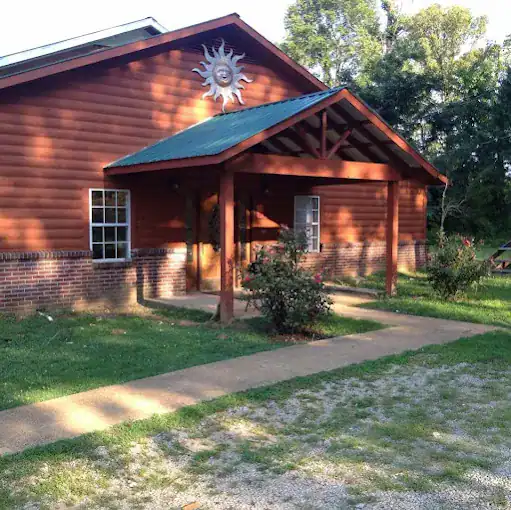
Recovery looks different for everyone, and the right addiction recovery services in Mississippi should reflect that instead of forcing people into a template. We combine clinical depth with people who have often lived through this themselves, because both matter when someone is trying to get their life back. Located in Mantachie, our facility sits away from the noise most people are coming out of. It is a setting built for real therapeutic work, not a quick turnaround.
Why Extra Mile Recovery
Most treatment centers say they are different. We would rather show you how. Our Chronic Relapse Program exists specifically for people who have been through treatment before and are still stuck in the cycle. It goes deeper into what previous programs missed rather than repeating what did not hold. Trauma-focused EMDR is part of how we work with people carrying unresolved trauma, since that piece often sits underneath addiction in ways talk therapy alone cannot fully reach.
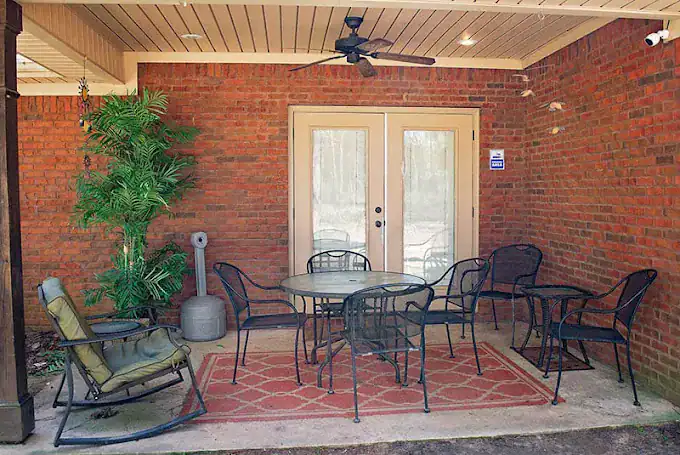
We run separate, gender-specific campuses for men and women, not as an afterthought but because the work genuinely looks different depending on who is in the room. Our women’s campus sits in Tishomingo, on a wooded, garden-like property built around rest and structure. Days include therapy alongside yoga, mindfulness, and chef-prepared meals, with real emphasis on community among clients and alumnae. Our men’s campus sits in Mantachie, on a 10-acre wooded reservation with a pond and footpath access to the Old Natchez Trace. Programming leans more into physical activity and shared outdoor space, from fishing to trail walks. Both campuses keep census small and maintain a high staff-to-client ratio, but the daily rhythm looks different by design.
Recovery does not end at discharge, and we do not treat it like it does. Our alumni community holds regular meetings and social events where former clients stay connected and support each other through the parts of early recovery that feel hardest alone. For someone newer to recovery, seeing people who have stayed sober for years is proof that it holds. For someone further along, staying involved is a way of giving back what they once needed. Addiction recovery services in Mississippi should be built for the long haul, and that continuity is part of every plan we build.

What We Treat
Our addiction recovery services in Mississippi cover a wide range of substance use disorders, including alcohol, opioids, heroin, methamphetamine, benzodiazepines, cocaine, marijuana, MDMA, and fentanyl. We also provide integrated care for co-occurring conditions like anxiety, depression, bipolar disorder, PTSD, and complex trauma. Dual-focus care means substance use and mental health both get attention from the start.
Clinical Therapy Services
Therapy is at the center of everything we do. Every client works with licensed clinicians in multiple formats, each addressing a different aspect of what drives the addiction. Individual, group, and family work together to create a fuller picture of what needs to change for recovery actually to hold.

Individual Therapy
One-on-one sessions with a licensed therapist give each person space to work through the experiences and patterns behind their addiction. Trauma gets addressed. Behavioral patterns get examined. Individual therapy runs throughout treatment, not just at the start.
Group Therapy
Group sessions are facilitated by experienced clinicians and offer something individual therapy cannot: the understanding of peers going through something similar. Hearing someone else name what you have felt quietly for years changes how shame and isolation sit with you. Groups build honest connections that carry into life after treatment.
Family Therapy
Addiction does not happen in isolation, and neither does recovery. Family therapy brings loved ones into the process in a structured, clinically guided way, rebuilding trust and improving communication. When families heal alongside the person in treatment, outcomes tend to be stronger.
Medication-Assisted Treatment
For some, the physical pull of addiction needs medical support alongside therapy. Medication-assisted treatment uses FDA-approved medications to reduce cravings and stabilize the body, so therapeutic work can take root. It is a tool, not a replacement for the deeper work. Every decision is based on clinical need, not protocol.
12-Step Immersion
The 12-step model has helped millions build lasting recovery, and it remains part of how we work. We integrate 12-step principles as a framework for reflection and accountability for those who connect with it. Clients get introduced to a recovery community that exists beyond our walls.
Holistic Treatment
Addiction affects more than brain chemistry. It affects how people sleep, eat, move, and experience their own bodies. Mindfulness, physical activity, nutrition, and structured reflection all help clients rebuild stability and self-awareness. These are not extras. They are part of what makes recovery worth maintaining.
Case Management
Getting well inside a treatment setting is one thing. Having the practical pieces in place to sustain that progress outside of it is another. Our case management services work alongside clinical care to help clients navigate the real-world logistics of recovery. Housing stability, employment considerations, legal concerns, family obligations, and connections to community resources are all areas where our team provides guidance and coordination. Recovery does not happen in a vacuum, and case management is how we make sure the world outside treatment is set up to support it.
Medication Management
For clients managing psychiatric conditions alongside addiction, medication management is part of integrated care. Our medical team evaluates, monitors, and adjusts prescriptions as needed. The goal is stability, and nothing gets prescribed without clear clinical reasoning.
Intervention Services
Sometimes the people who need help most are the ones least able to ask for it. Our intervention services support families and loved ones who are trying to help someone recognize the severity of their situation and take a step toward getting help. We work with families to plan and conduct structured, compassionate interventions that reduce confrontation and increase the likelihood that the person will agree to treatment. If someone you love is struggling and resistant to help, this is a place to start.
Relapse Prevention
Recovery does not end at discharge, which is why relapse prevention is built into treatment from day one. Clients identify specific triggers and high-risk situations with their clinical team and practice concrete strategies throughout treatment. For clients who have relapsed before, this work goes deeper into what has not worked in the past.
Life Skills Training
Practical life skills matter in recovery. Managing finances, keeping a schedule, preparing food, and handling daily responsibilities are areas addiction often disrupts. Life skills training rebuilds competence in these areas, so leaving treatment does not feel like stepping off a cliff.
CONFIDENTIAL INSURANCE VERIFICATION
Complete the Form Below to Find Out if You Have Coverage
How Our Services Work Together
No single service produces lasting recovery on its own. What makes our addiction recovery services in Mississippi effective is how the pieces work together over time. Individual therapy surfaces the deeper patterns. Group work builds connection and accountability. Medication support and medication management address the physiological side. Holistic practices restore physical well-being. Case management keeps the practical world from derailing progress, and relapse prevention ties everything into something the person can actually use when they leave.
Our services are not delivered in isolation. A clinical team meets regularly, shares observations, and adjusts plans as each person moves through treatment. Small group sizes make that kind of coordination genuinely possible, not just aspirational. Every client has a team that knows their story, and every service they receive reflects that.
Admissions and Insurance
Starting treatment should not require navigating a maze. Our admissions team walks every person and family through the process from the first conversation. We answer questions honestly and without pressure, and we verify insurance coverage so the focus stays on getting help rather than on paperwork.
We work with most major insurance providers and communicate directly with insurers to confirm benefits before admission. Financial concerns should not be the reason someone delays getting help, and we work to make sure they are not.
Start Your Recovery with Our Addiction Recovery Services in Mississippi
If you are trying to figure out where to start, that is exactly where we come in. Our addiction recovery services in Mississippi are tailored to the specific needs of each person we work with, and the first step is simply a conversation. You do not have to have everything figured out before you call. Contact us today and let us help you understand what getting started actually looks like.
QUESTIONS?
Reach Out Anytime and Let Us Help You Find the Answers You’re Looking For
FAQs About Our Addiction Recovery Services
These questions come up often when people are first exploring their options. If yours is not here, just reach out directly.
How is the Chronic Relapse Program different from standard treatment?
It goes deeper into what previous treatment attempts missed rather than repeating the same approach. Clients work through specific patterns and gaps from past treatment that a first-time program would not address.
What actually differs between the men's and women's campuses?
The women’s campus in Tishomingo emphasizes a structured routine, yoga, and community building among clients and alumnae. The men’s campus in Mantachie leans into outdoor physical activity, from fishing to trail hikes on the Old Natchez Trace. Both keep census small with a high staff-to-client ratio, but the day-to-day experience is shaped differently for each group.
How do I know which services are right for me?
A clinical assessment at intake helps determine which combination of services fits your history, needs, and goals. Nothing is assigned without that evaluation informing the decision.
What if a family member refuses to participate in family therapy?
Family therapy is encouraged but never forced, and treatment does not depend on a family member’s willingness to participate. We work with you to build the support system that is actually available.
What happens if my needs change during treatment?
Treatment plans are reviewed and adjusted regularly throughout the stay. If something is not working or new needs emerge, the clinical team adapts the plan accordingly.
