
Vyvanse is a prescription stimulant commonly used to treat ADHD and binge eating disorder. For many people, it works well when used as directed. But long-term use and misuse carry real risks that are not always discussed openly. The long-term effects of Vyvanse can include changes in the heart, sleep, mood, and brain chemistry. They tend to build gradually and are not always easy to recognize early on.
Understanding Vyvanse and How It Affects the Brain
Vyvanse is the brand name for lisdexamfetamine dimesylate. It is classified as a Schedule II controlled substance because of its potential for misuse and dependence. What sets it apart from other stimulants is that it is a prodrug. The body has to process it before it becomes active, which creates a slower onset. A slower onset does not mean lower risk, especially with long-term Vyvanse use.

How Vyvanse Works in the Body
Once metabolized, Vyvanse raises dopamine and norepinephrine levels, two neurotransmitters associated with focus, motivation, and impulse control. In the short term, many people feel sharper and more organized. Over time, though, the brain can start leaning on that external boost rather than producing those chemicals on its own. When that happens, the long-term effects of Vyvanse on brain chemistry begin showing up in real ways.
When the medication is not there, everything starts to feel harder. Not all at once, and not dramatically at first. People notice they cannot function the same way without it anymore. By the time someone puts that together, the dependence has usually been building quietly for a while.
How Vyvanse Can Affect Your Health Over Time
The honest answer to how Vyvanse affects someone long-term is that it depends. How long they have been using it, the dose, and their overall health going in all factor into it. Even people taking it as prescribed can start noticing changes. With misuse, things tend to move faster, and Vyvanse detox with medical support is often what it takes to stop safely.
Physically, the heart takes the most consistent hit. Blood pressure and heart rate stay elevated, sometimes for years. That raises the risk of heart disease or stroke over time. Sleep falls apart too, and when sleep goes, so do memory, mood, and the ability to focus. Months of not eating enough add up to real nutritional deficits, weight loss, and digestive problems.
The mental and emotional side of Vyvanse side effects gets less attention, but matters just as much. Anxiety, mood swings, irritability, and depression are all reported with extended use. With misuse, paranoia and emotional instability can develop, making it harder to feel level or in control. One of the most common long-term complaints is difficulty concentrating without the medication, which mirrors the exact problem Vyvanse was prescribed to solve.
When misuse is part of the picture, the brain’s reward system gets pulled into the cycle. Dopamine pathways become overstimulated, reinforcing the pattern of use. At a certain point, someone is not taking Vyvanse to feel better or focus more clearly. They are taking it to avoid feeling worse without it and to recognize that the shift matters.
What Are the Short-Term Effects of Vyvanse?
Short-term Vyvanse side effects usually show up within hours of the first dose. Increased energy, sharper focus, and a stronger sense of task control are what most people notice first. Along with those come restlessness, dry mouth, and disrupted sleep. Individually, these seem minor, but when they are consistent, they add up.
Elevated heart rate, anxiety, and irritability also appear in the short term, sometimes even at prescribed doses. Early warning signs like these can be easy to brush off when the medication seems to be doing its job. Over time, especially with long-term Vyvanse use, these effects tend to intensify rather than fade. Paying attention to how the body responds early on matters more than most people realize.
How Difficult Is It to Stop Using Vyvanse?
Stopping Vyvanse after extended use is harder than most people expect going in. The brain has adjusted to functioning with the drug present, and without it, finding balance again takes time. Withdrawal symptoms, both physical and emotional, are common and can make stepping away feel nearly impossible without support. For many, this difficulty is where the long-term effects of Vyvanse become impossible to ignore.
Fatigue, mood shifts, and persistent mental fog are among the most common withdrawal experiences. Cravings surface too, especially when misuse has been part of the pattern. The pull to use again just to feel functional is real. Getting through this phase is much more manageable with medical support in place. A supervised Vyvanse detox can help the body recalibrate safely rather than trying to push through alone.
Is Vyvanse Addictive?
Vyvanse can be addictive, and that is worth saying plainly. The delayed activation makes it feel less intense than some stimulants. It still engages the brain’s reward system in ways that reinforce use over time. Psychological dependence can develop whether someone is misusing it or taking it exactly as prescribed. A lot of people are surprised by that last part.
People with a history of substance use or untreated mental health conditions face a higher risk of developing Vyvanse addiction. Taking higher doses than prescribed or using it without a prescription raises the risk considerably. If you have started wondering whether your relationship with Vyvanse has shifted, that question is worth taking seriously. It usually means something.
How Is Vyvanse Misused?
Vyvanse misuse happens when someone takes the drug in ways a doctor did not intend. Common methods include:
- Crushing and Snorting: Some people crush Vyvanse capsules into a powder and snort it to achieve a faster, more intense high.
- Injecting: Some individuals dissolve the crushed powder in liquid and inject it, increasing the risk of overdose, infections, and vein damage.
- Taking Higher Doses: Some people take much higher doses than prescribed to enhance focus, energy, or euphoria.
- Using Without a Prescription: Some individuals take Vyvanse without a prescription intentionally to improve academic or work performance.
How Does Vyvanse Addiction Develop?
Most people who develop a Vyvanse addiction did not see it coming. It tends to start small, taking a little more than prescribed to push through something, or using it without a prescription because it seems to work. For a while, it does. Then the dose that worked before stops being enough, and it has to go up.
By the time someone wants to stop, stopping no longer feels simple. The brain has spent months adjusting to the presence of Vyvanse. Without it, normal function feels out of reach. Physical and psychological dependence has already set in, and most people at that point cannot get out of it without real support.
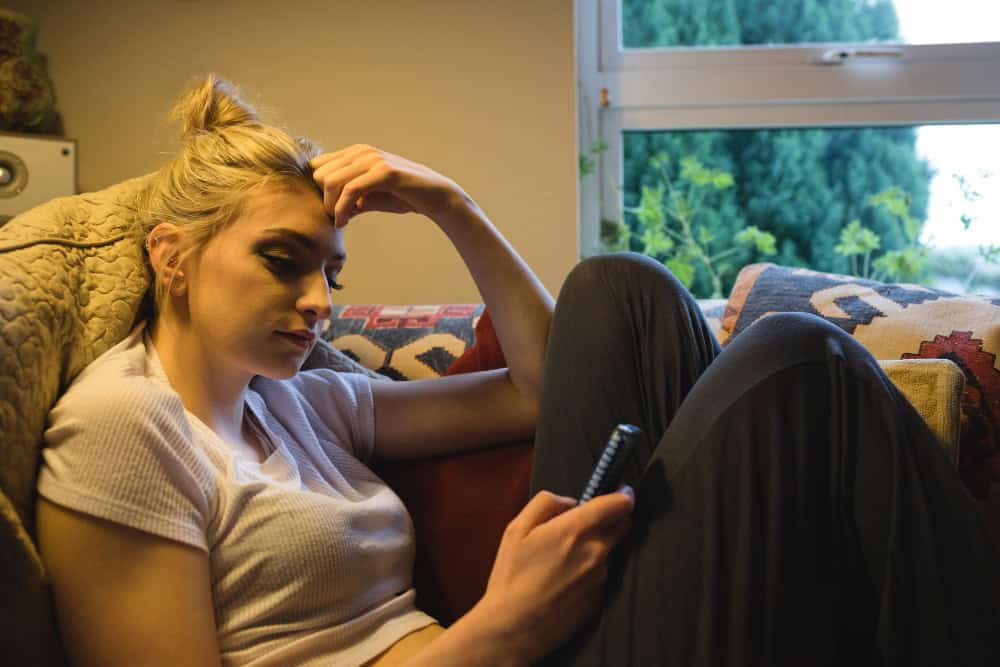
Signs Someone Is Addicted to Vyvanse
Vyvanse affects behavior, physical health, and mental state in ways that tend to show up gradually. By the time the pattern is obvious, it has usually been building for a while. Common signs of prescription drug misuse include the following.
- Taking higher doses than prescribed
- Doctor shopping for multiple prescriptions
- Experiencing withdrawal symptoms without the drug
- Increased anxiety, aggression, or paranoia
- Neglecting responsibilities due to drug use
- Using Vyvanse recreationally or combining it with other substances
- Inability to function normally without Vyvanse
- Developing a preoccupation with obtaining and using the drug
Signs of Vyvanse Overdose
A Vyvanse overdose can be life-threatening. Warning signs include:
- Rapid or irregular heartbeat
- High blood pressure
- Hallucinations or extreme paranoia
- Severe agitation or aggression
- Nausea, vomiting, or diarrhea
- Loss of consciousness or seizures
- Chest pain or difficulty breathing
If someone exhibits these symptoms, seek immediate medical attention. Overdose can lead to stroke, heart attack, or death if untreated.
Dangers of Mixing Vyvanse With Other Substances
Mixing Vyvanse with other substances is dangerous in ways people do not always anticipate. Alcohol is one of the most common combinations. It is risky because the stimulant masks intoxication, so people end up drinking far more than they realize. By the time the alcohol catches up, the damage is already done.
Adding other stimulants on top of Vyvanse puts serious strain on the cardiovascular system. Heart attack, stroke, and dangerous blood pressure spikes are real risks when stimulants stack. Depressants like benzodiazepines or opioids create the opposite problem. The body gets pulled in two directions at once, which raises the chances of respiratory depression, overdose, or heart failure.
How Is Vyvanse Addiction Treated?
Vyvanse addiction treatment typically includes the following:
- Medical Detox: Monitored withdrawal to manage symptoms safely.
- Inpatient Rehab: Structured treatment programs offer comprehensive addiction treatment, counseling, and relapse prevention strategies.
- Cognitive Behavioral Therapy: Cognitive-behavioral therapy (CBT) helps address the root causes of addiction and teaches coping strategies.
- Medication-Assisted Treatment (MAT): In some cases, medications help manage cravings and withdrawal symptoms.
- Support Groups: Participating in group therapy and counseling provides ongoing recovery support, educational opportunities, and the opportunity to learn from others.
Get Help for the Long-term Effects of Vyvanse
If you or someone close to you is struggling with the long-term effects of Vyvanse and is not sure where to turn, we want to hear from you. At Extra Mile Recovery, we work with people navigating stimulant dependence every day. Many of us have been in a similar place personally, and we do not approach this with judgment. Contact us today and let’s talk honestly about what getting help could look like for your situation.
FAQs About the Long-Term Effects of Vyvanse
These questions come up often from people trying to understand what long-term Vyvanse use is actually doing and what to do about it.
Can Vyvanse cause permanent brain damage?
Research suggests long-term misuse can cause lasting changes to dopamine pathways, but many of these changes improve significantly with sustained abstinence and proper care. How much recovery is possible depends on how long someone used it and the doses involved.
Does Vyvanse affect the heart long term?
Yes. Prolonged use keeps heart rate and blood pressure elevated, raising the risk of cardiovascular complications over time. People with pre-existing heart conditions face a higher risk and should discuss this directly with a physician before or during any taper.
Can someone develop dependence even when taking Vyvanse as prescribed?
It is possible. Physical and psychological dependence can develop at prescribed doses, particularly with extended use. Dependence at therapeutic doses is not the same as addiction, but stopping still requires a careful, supervised taper rather than quitting abruptly.
How long do Vyvanse withdrawal symptoms typically last?
Acute withdrawal usually resolves within one to two weeks, but fatigue, mood instability, and cognitive fog can persist for several weeks beyond that. Individual factors like duration of use and overall health play a significant role in how long recovery takes.
Is it safe to stop Vyvanse on your own?
Stopping abruptly after long-term use is not recommended. A medically supervised taper reduces the severity of withdrawal symptoms and lowers the risk of relapse during that vulnerable window. Our team can walk you through what that process looks like.
