
If you are searching for how long does morphine stays in your system, you are probably in one of two situations. Either a drug test is coming up, or withdrawal has already started. Both are real reasons to want a straight answer, and morphine does not make that easy. How long it sticks around depends on the person, the dose, and how it was taken. Here is what actually shapes that timeline.
The Short Answer to How Long Morphine Stays in Your System
There is no single number for how long does morphine stays in your system. Dose matters. So does how often someone is using it, and whether it is immediate-release or extended-release. Your own biology plays a role too. For anyone dealing with morphine addiction, these variables also affect how withdrawal feels once the decision is made to stop.
Here is the part that trips people up. Morphine’s effects usually fade within 4 to 6 hours. The drug leaving your body is a different matter entirely. Traces can hang around for days after that last dose, long after the pain relief and drowsiness are gone. Feeling fine and being clear are two different things, and mixing them up is where most of the confusion starts.
Morphine in Your System: What Different Tests Detect
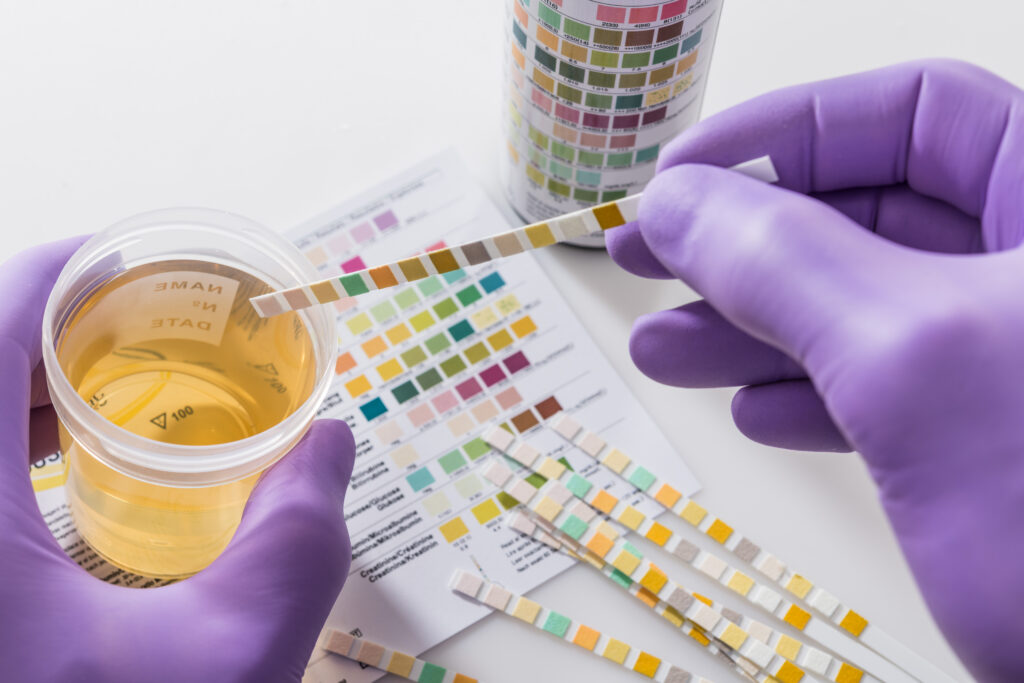
Different tests catch morphine in your system at different points. Urine testing usually picks it up for 2 to 3 days with occasional use. Heavier or more frequent use stretches that window to 5 to 7 days or longer. Blood tests work on a much tighter window, typically only showing morphine for about 12 hours after a single dose.
Hair testing is the outlier here. Morphine metabolites get trapped inside hair follicles as the hair grows. Hair tests can catch use from as far back as 90 days, far longer than any other method. Saliva sits in between the extremes. It usually detects morphine for 1 to 4 days, more useful for catching recent use than spotting a longer pattern.
What Affects How Long Morphine Stays in the Body
A few things push that detection window wider or narrower than average. Dosage and frequency matter the most. Repeated use lets morphine build up in the body faster than it can clear. Someone using morphine daily for weeks processes it very differently than someone who took it once.
Your own body matters just as much as usage patterns. Metabolism, age, body composition, and how well your liver and kidneys are working all affect the speed. A younger person with a fast metabolism and healthy organs clears morphine faster than someone older or managing organ issues. Higher body fat can slow things down too, since morphine can settle into fatty tissue and release slowly from there.
The way morphine enters your body changes the timeline too. Injected morphine hits fast and clears fast. Oral morphine takes the slow route through your digestive system and liver first. Extended-release versions stretch that delay out even further.
Morphine Withdrawal Duration and Stages
Morphine withdrawal does not hit all at once. It moves through stages, and knowing what to expect at each point makes the whole thing less frightening. The first symptoms usually show up within 6 to 12 hours of the last dose. Anxiety kicks in first for a lot of people. Restlessness and aching muscles follow close behind, feeling more like a bad flu than drug withdrawal.
Morphine withdrawal duration tends to follow a rough pattern from there. Things get harder before they get easier. The acute phase typically peaks somewhere between 24 and 72 hours after the last dose, and symptoms hit their worst during this window. Most people say the first three days are the roughest stretch of the whole process. Symptoms usually start to ease after that window passes.
Side Effects of Morphine Withdrawal
The side effects of morphine withdrawal go beyond just feeling sick. Nausea, vomiting, diarrhea, and muscle cramping show up early for most people. Sweating and chills tend to hit together. A lot of people describe the combination as feeling like a brutal flu that will not quit.
The emotional side hits just as hard as the physical symptoms, sometimes harder. Anxiety, irritability, and intense cravings run through the whole withdrawal period. Sleep problems often stick around even after the physical symptoms calm down. Medical support during this stretch genuinely changes how survivable it feels.
What Morphine Withdrawal Treatment Involves
Morphine withdrawal treatment usually starts with a medical evaluation. Someone looks at your history and health to figure out the safest way through detox. Medically supervised detox brings down the intensity of symptoms. It also lowers the risk of complications that come up more often when people try to detox alone at home.
Once detox is done, the work shifts toward what actually led to morphine dependence in the first place. Cognitive-behavioral therapy, individual counseling, and group therapy all play a role in building coping strategies. These need to hold up well past detox, not just during the hardest first few days.

Start Morphine Addiction Treatment Today
If you keep coming back to the question of how long does morphine stay in your system, it might be worth asking a different one instead. At Extra Mile Recovery, we get how hard that shift in thinking can be. We do not approach anyone’s situation with judgment. Our team handles medically supervised detox and therapeutic support built around your specific history. Contact us today and let’s talk honestly about what getting started could actually look like for you.
FAQs About Morphine Withdrawal Duration
These are the questions people ask us most after they have already read the basics on detection and withdrawal. Here is what tends to get left out.
Does the type of morphine formulation affect how long it stays detectable?
Yes, and it catches people off guard. Extended-release formulations release slowly on purpose, so they stay detectable longer than immediate-release versions even at the same dose.
Can drinking water speed up how fast morphine leaves your system?
Drinking water keeps your kidneys working normally, but it will not speed up how fast morphine actually clears your system. Most claims about flushing drugs out faster with water or supplements do not hold up under real pharmacology.
Is it dangerous to combine morphine with other substances during withdrawal?
Mixing morphine with alcohol or benzodiazepines raises the risk of respiratory depression and overdose significantly. It also complicates withdrawal, since your body may be managing dependence on more than one substance at once.
Does liver or kidney function affect morphine detection windows?
When your liver or kidneys are not working at full capacity, morphine takes longer to process and leave your system. That stretches out both how long the effects last and how long it stays detectable on a test.
Does tolerance change how morphine withdrawal feels?
Yes, tolerance changes things quite a bit. Someone who has used morphine regularly for a long stretch tends to process it differently than a first-time user, affecting both how rough withdrawal feels and how long it stays detectable.
